Five Times Amazed
Every day, something happens that shows what we’re capable of as humans. In this series, I share five stories that surprised or inspired me. Each one a spark of progress. They may not all be reality tomorrow, but together they show: we’re moving forward.
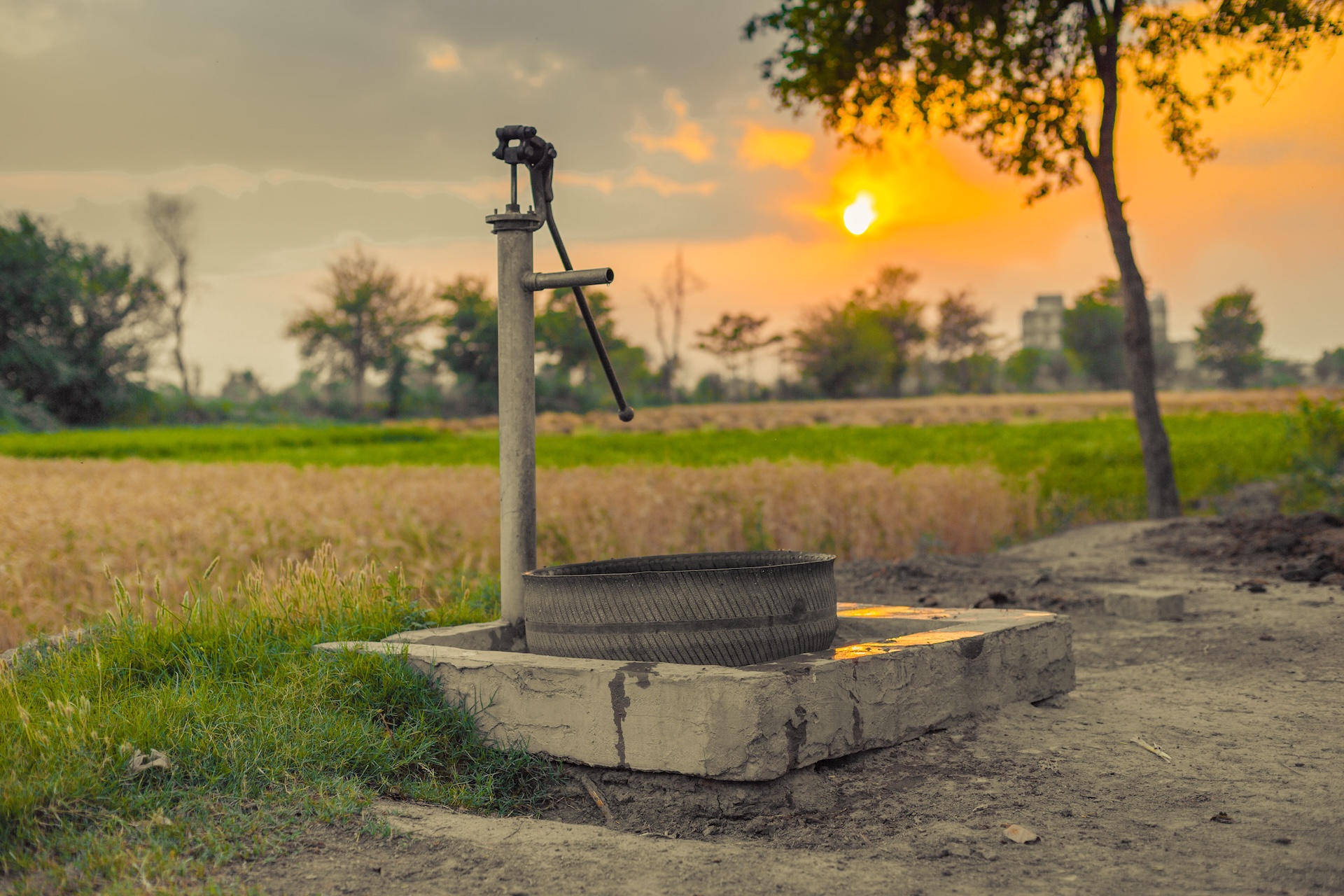
1. Two Liters of Water From Bone-Dry Air
👉 Porous compound pulls 2 liters of water from air, and is factory-ready (New Atlas)
As a kid, I was obsessed with stories about alchemists. I clearly lacked the critical thinking skills to doubt the whole “turning lead into gold” thing (I mean, why not?). A few years older (and wiser?), I’m now reading this article about pulling pure drinking water straight out of the air, even relatively bone-dry air. The kid in me immediately wants to run wild with the possibilities: what if this actually works and hits the market tomorrow?! But let’s be honest: my current-age self is eyeing this with a healthy dose of skepticism.
💡 Why this is brutally relevant? It’s obvious: across large parts of Europe, we are currently heading into our third heatwave of the summer. Entire countries are sweating over water shortages while our major rivers are breaking low-water records west and east. We created this mess ourselves, and this experiment proves we might actually be capable of fixing it, too. Hopefully.
2. The Sandbox Was a Feminist Plot?
👉 The rise and fall of the public sandbox (JSTOR Daily)
What do a teddy bear, an ice cream cone, and a sandbox have in common? No, it’s not the setup for a bad joke. They all made their grand debut at the Louisiana Purchase Exposition, better known as the 1904 World’s Fair. While the article claims the sandbox has had its “rise and fall,” I look out at one every single day in my apartment’s courtyard. But then again, I live in Berlin: the literal cradle of the sandbox.
💡 In her article The Sandbox: How Women Planted Play in the City (Material Culture, vol. 54, no. 2, 2022), Tamar Zinguer calls sand play “‘tacit’ knowledge, requiring no explanation or special understanding.” To her, the sandbox was a space where “an attitude of respect, collegiality and participation prevailed, in a rare place with universal appeal.” Funny thing is, I still use the sandbox as a metaphor in my work all the time.
3. Robots Can Finally See in Color
👉 This Breakthrough 3D Sensor Gives Robots True Human-Like Vision (BGR)
The best part about my job as a change consultant and futurist is connecting seemingly random dots. Basically looking at the world in full color. That’s exactly why the Fourth Industrial Revolution is such a massive shake-up: it’s the ultimate convergence of computing power (good old Moore’s Law), advanced sensors, mountains of human-generated data (thanks, social media!), AI, and robotics. Now, a new sensor allows robots to see in actual color, adding a whole new layer of data to their world. (Though, honestly, I was a bit surprised to learn that color vision was still a novelty for them).
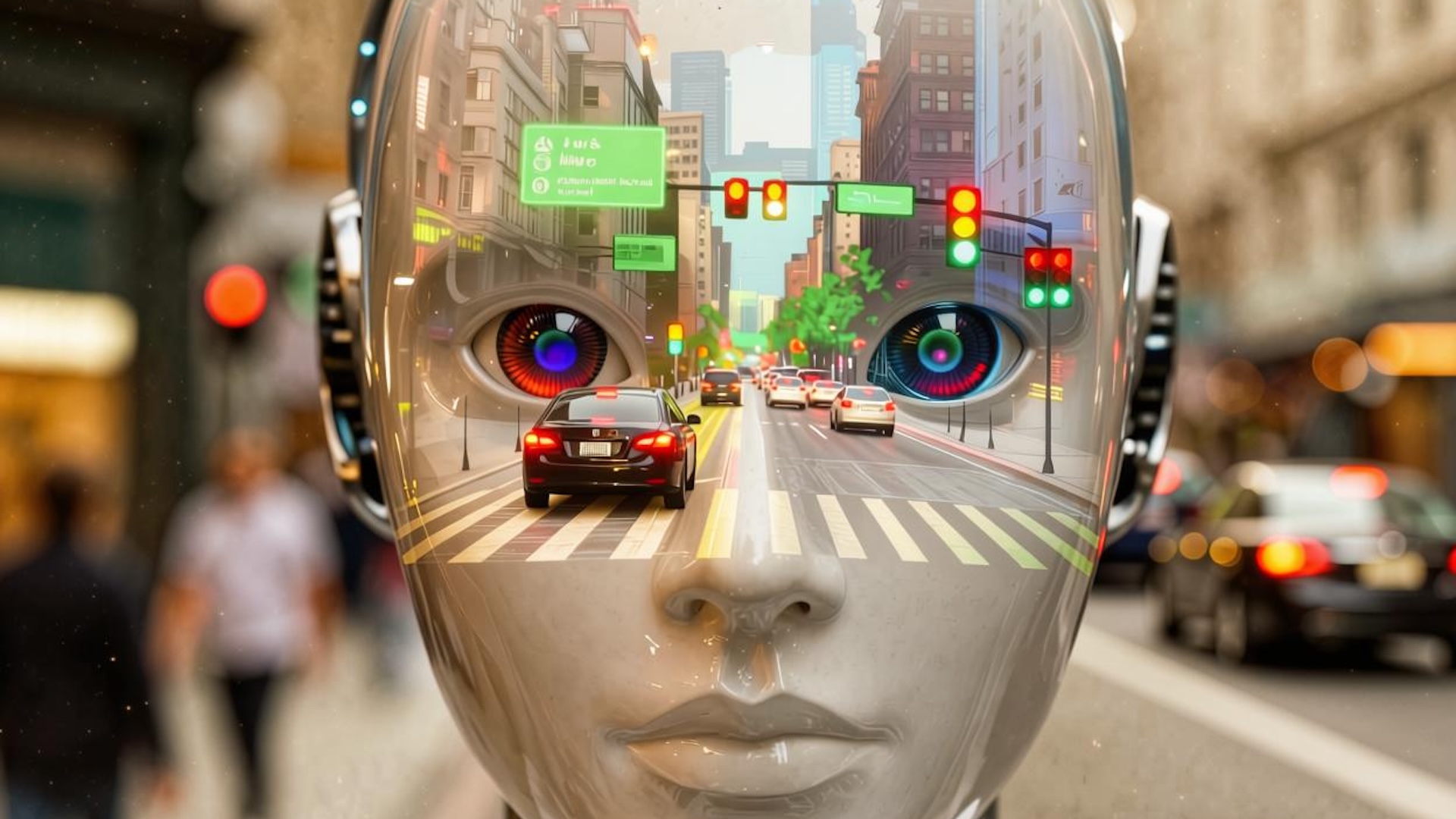
💡 What’s in it for us: We are officially one step closer to The Jetsons era, meaning we might finally escape the daily tyranny of loading and unloading the dishwasher. Or hey, maybe we’ll finally get those self-driving cars we’ve been promised for years. On the flip side, this might also usher in the era where plumbers, pavers, and even medical assistants lose their jobs to a shiny new bot. Exciting times ahead… or slightly terrifying?
4. The Day I Learned What Chernoff Faces Were
👉 Herman Chernoff, inventor of Chernoff faces, dies at 103 (Improbable)
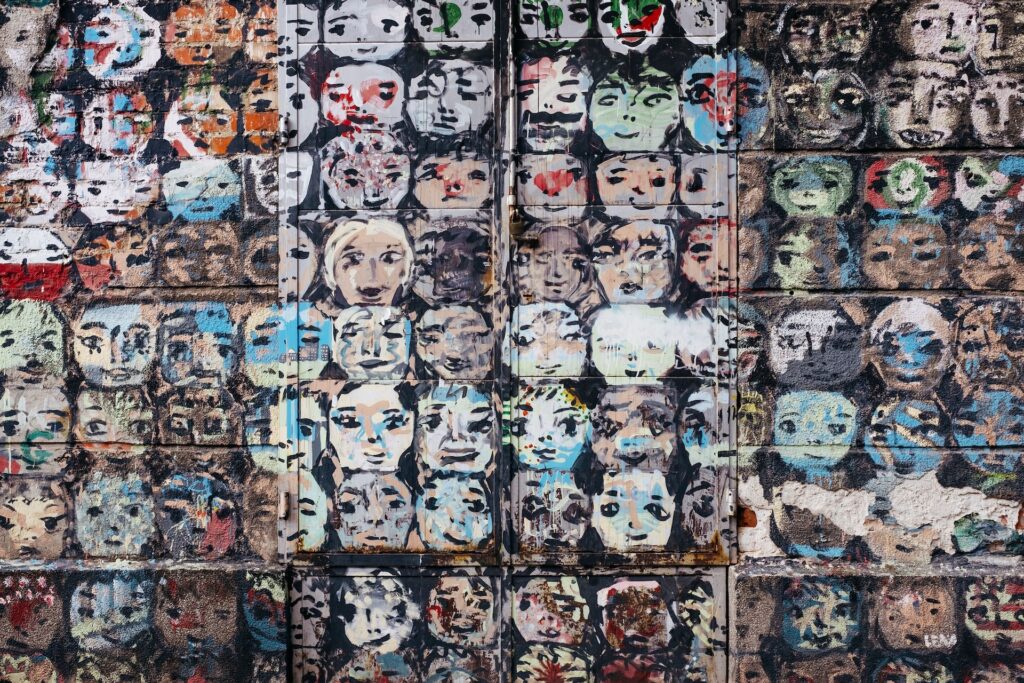
Herman Chernoff passed away on July 6, 2026, at the age of 103. I only recently learned about him through a rather peculiar creation of his: Chernoff Faces. Back in 1973, he came up with the idea of using cartoon faces to display multidimensional data. The concept was that the angle of an eyebrow, the shape of a mouth, or the position of the eyes would each represent a specific data point. Down to our reptile brains, humans are hardwired to read and analyze faces in no time. Chernoff figured it’d be a brilliant move to tap into that skill for data visualization. An ultra-natural kind of dashboarding, if you will.
The downside? It was simply too many variables packed into a single image. Plus, without a cheat sheet to tell you what on earth you were looking at, you still knew nothing. It required far more actual brainpower than the quick primate recognition we’re so naturally good at. Rightfully so, the method never caught on.
💡 Context: Until his obituary, I’d never heard of the guy. Which is pretty wild, because without his other big breakthrough, Chernoff Bounds, a massive chunk of modern tech wouldn’t work the way we’re used to. It’s a mathematical formula from the 1950s proving that random outliers and noise in your data fade into the background as soon as your sample size is large enough.
Most people assume noise decreases gradually as you gather more data. Chernoff mathematically proved it happens way faster: the odds of an extreme anomaly essentially fall off an exponential cliff. The formula gives you a predefined safety margin. You basically ask: “I want a maximum 0.001% chance that my AI model or algorithm makes a decision based on random noise. What’s the absolute minimum number of data points I need?” Chernoff gives you that exact number.
Without Chernoff Bounds, much of our technology would grind to a halt. Machine learning models rely on it to prove they can see beyond their training data. Cloud servers use it to balance traffic across multiple machines so no single server overheats from a workload spike. And by repeatedly testing exact amounts of data, algorithms can boost their accuracy from a shaky 51% to nearly 100% certainty.
We often only learn about things when their inventor dies. And sometimes, that happens to be the invention that didn’t quite work. Meanwhile, the quiet successes keeping our world running behind the scenes rarely make the headlines.
5. Daddy Longlegs Are Food for Thought
👉 Daddy longlegs seen catching and eating frogs in astonishing first (Refractor)
A tall tale for the pub: a daddy longlegs (the arachnid) eats a frog. “Have another one,” you’d almost be inclined to think, as you try to outdo the other person with a tall tale of your own. Esteban Calvache and a team managed to capture it on camera (link downloads a short clip). The frog might have been weakened or in a deep sleep, and the daddy longlegs is admittedly quite a large specimen, but still.
💡 Context: a “you never would have believed it” post. What other things that we assume to be true or take for granted turn out to work just a little bit differently? Hence: stay amazed every day.