Boring by design

Tech companies are now building hardware to save us from our hardware. By reintroducing strategic friction, products like the Callback 8020 flip phone and the Habity e-paper clock restore user intent and focus—a principle modern organizations desperately need when adopting powerful tools.

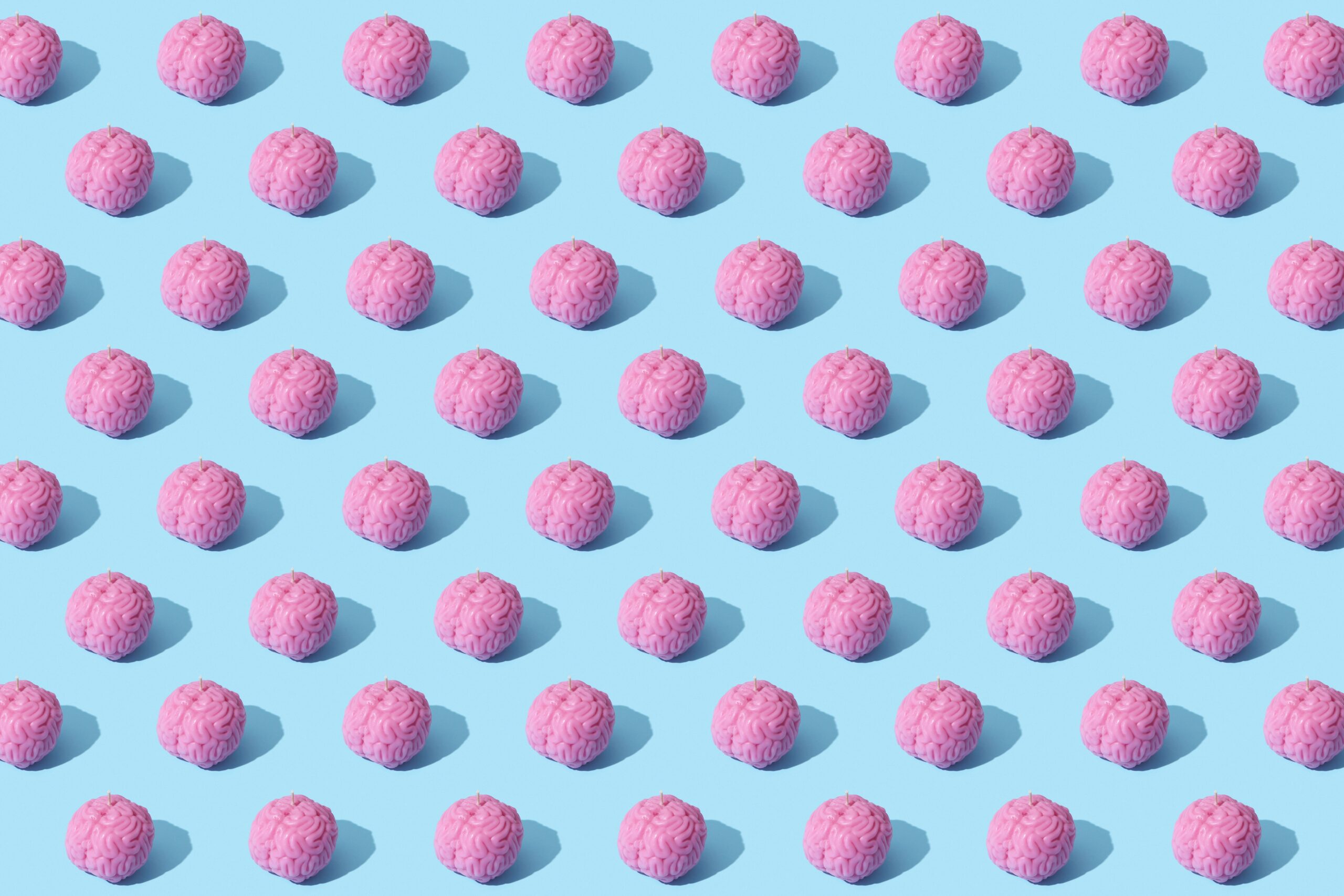
AI has a power crisis. Lab-grown brains might solve it.

Current AI data centers burn through massive amounts of electricity, but the human brain operates on just 20 watts. Organoid Intelligence (OI), using lab-grown brain tissue as living hardware, could redefine the economics of tech strategy by solving AI’s massive energy crisis.

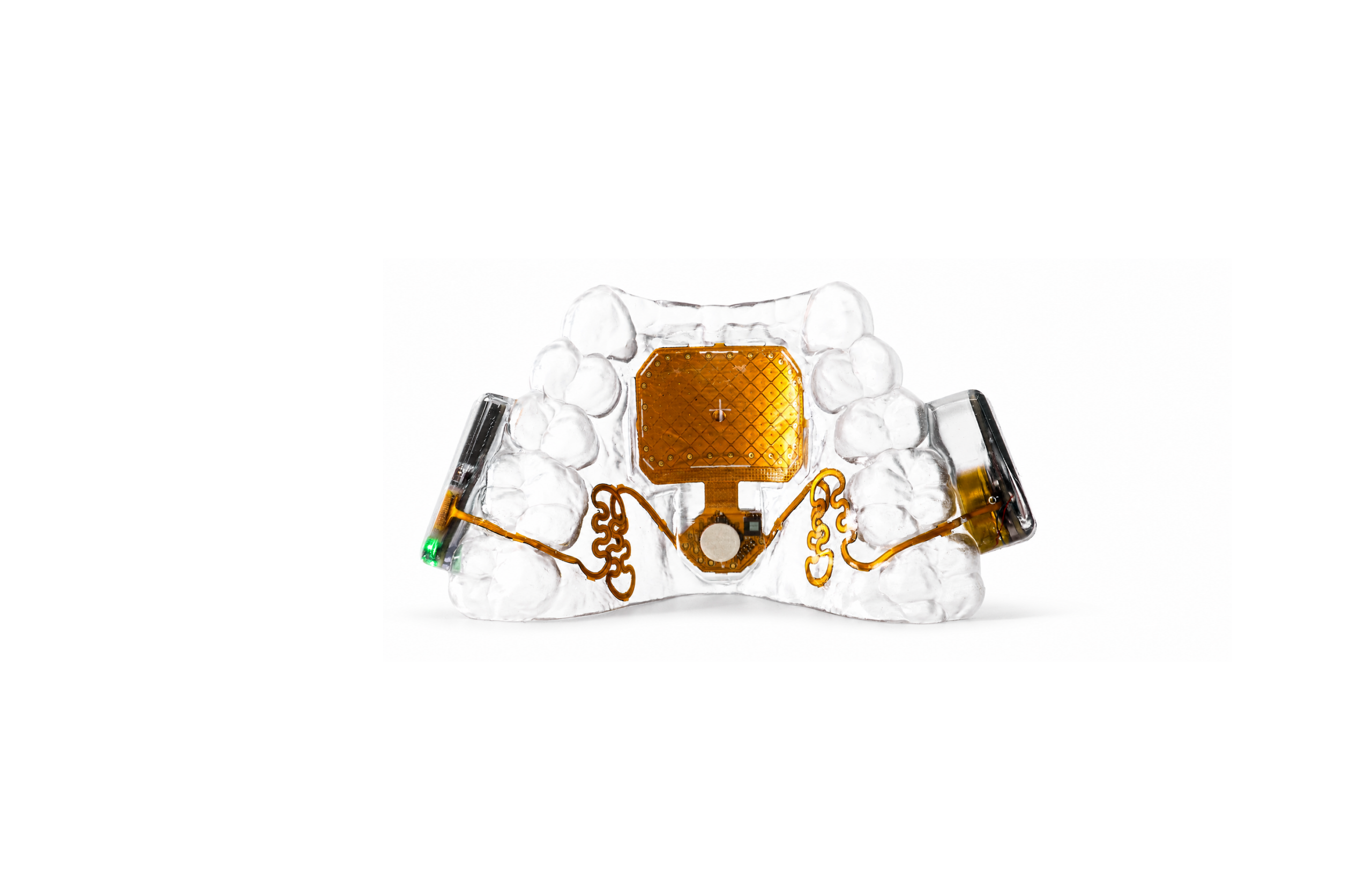
Click with your tongue

Augmental’s MouthPad turns the tongue into a hands-free touchpad for controlling computers, smartphones, and even connected intimate devices. Beyond the cool factor, it proves a critical strategic point: designing for specific needs isn’t charity, it’s an innovation driver. When you solve for the most constrained scenarios, you end up creating better interfaces for everyone.

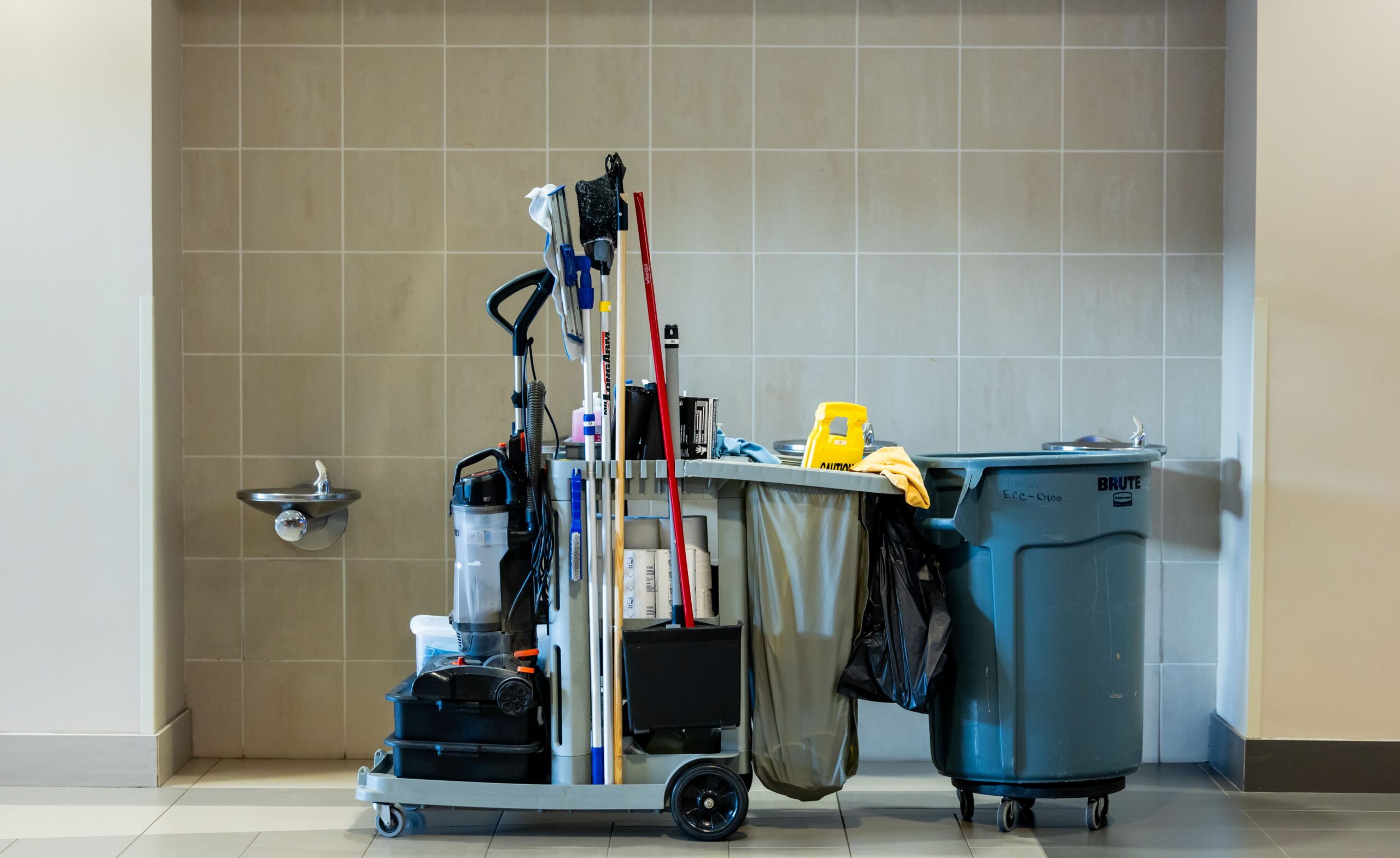
The career ladder starts at step two

If AI takes over entry-level tasks, who trains the seniors of 2036? Data from Stanford shows employment for 22- to 25-year-olds in AI-exposed roles dropped by 16%, while experienced workers remained unaffected. The damage is concentrated right at the bottom of the ladder. Starters aren’t just doing “dirty work”, they are learning the fundamentals of an industry. When entry-level roles disappear, the economy’s entire training pipeline breaks. Educational institutions and businesses must adapt now, or we leave an entire generation stranded at step one.

Privacy resistance is the new fashion

Smart surveillance cameras are reading faces and tracking movement everywhere without democratic oversight. Projects like noRecognition fight back with adversarial clothing patterns designed to block camera detection. It’s a classic cat-and-mouse game, but it signals a major shift: privacy is a fundamental right. If your corporate strategy assumes people will quietly accept intrusive tech, you’re betting against a rising tide.

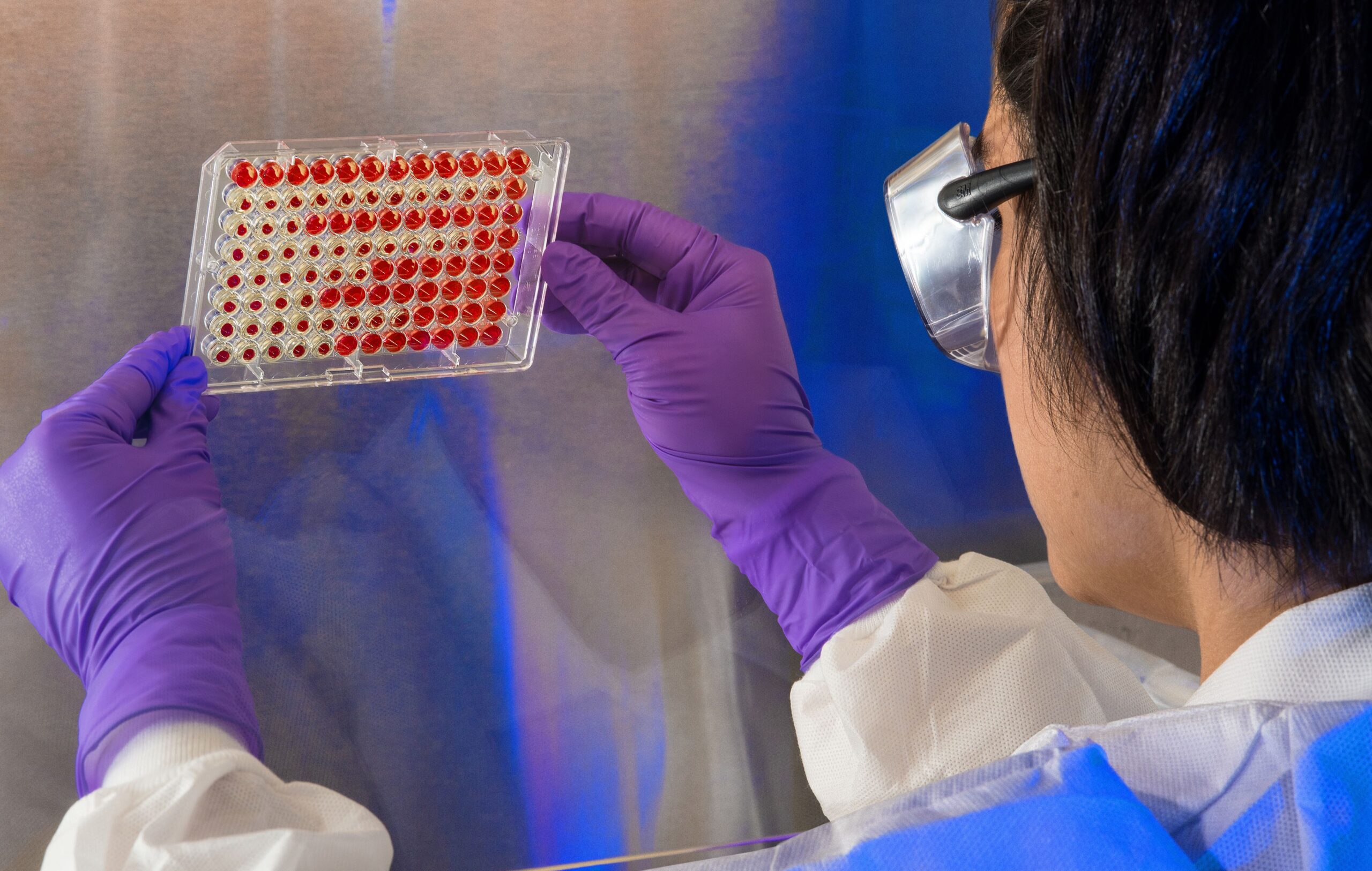
Water From Nowhere, Sandbox Sisterhood, Robots in Color, Smiling Data, and a Frog’s Very Bad Day

Herman Chernoff died at 103 leaving behind two legacies—one that worked beautifully but got no headlines, and one that didn’t work at all but gets the obituary. Kiel University researchers are pulling drinking water from desert air using Nobel Prize-winning chemistry. The humble sandbox turns out to be feminist infrastructure from 1890s Boston. Robots have finally learned to see in color, which might save us or cost us our jobs. And yes, daddy longlegs really do eat frogs. Welcome to the gap between what we expect and what actually happens.

STAY AMAZED EVERY DAY

Since 2009, stay amazed every day is helping organizations achieve better outcomes through proactive strategies that align with their values.
We help you engage with the changes going on all around you, so you can take an active role in shaping what comes next.

CONTACT

stay amazed every day
+49 30 7594-8016
welcome@stayamazedeveryday.com
Genter Str. 47, 13353 Berlin – Germany

Linkedin icon hoverstateLinkedIn icon
Mail icon hoverstateMail icon