
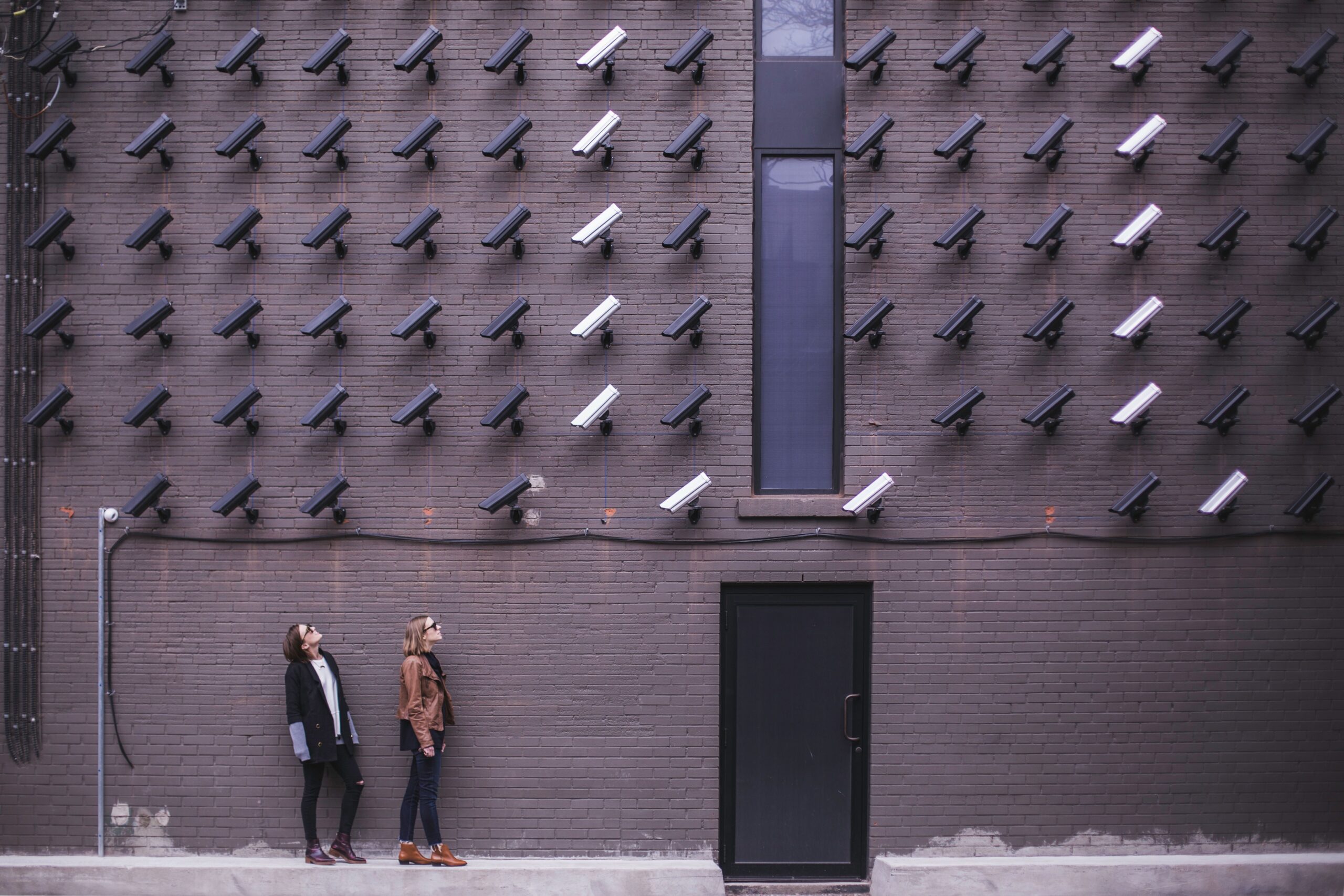
The right to dress up
Smart cameras are everywhere now. They read faces, track license plates, identify objects. Another data stream feeding databases that algorithms will chew on so some AI model can learn, predict, and eventually judge. Companies like Flock and Clearview AI, privately held and operating without democratic oversight, promise governments they can track illegal activity. The catch? It is far from failsafe.
Bill Swearingen spent the last year running roughly 31 million tests with one goal: generate a computer-made pattern that stops common surveillance cameras from detecting whatever it covers. His project, noRecognition, produces patterns you can print on clothing or vehicle skins. Put one on and the camera still records video, but it can’t trigger an alert. You become a needle in a haystack again, until someone (that’s right: a human!) knows where to look.
This is going to be a cat-and-mouse game for as long as these systems exist. Swearingen’s work reminds me of the early internet days, when BBS forums and Usenet were so new nobody had written the rules yet. Or the collective behind Hack-Tic magazine (mirror). noRecognition might read as fringe at first glance. A bunch of nerds trying to outsmart technology that, if you have nothing to hide, shouldn’t scare you anyway. In short: what exactly are they worried about?
Sure, some people fight windmills. But this one deserves attention. So much of what should stay private is already leaking to companies with too much power, packaged as our own data. Swearingen puts it plainly: privacy is a fundamental right. The right to opt out of being tracked. Even if you have nothing to hide.
If your organisation’s strategy assumes people will quietly accept whatever technology throws at them, you’re betting against a rising tide. Look at the great AI disconnect, for example. My Big Picture keynote lays out exactly these kinds of systemic tensions between technology and society, and how to spot them before they become crises. Want to dig deeper into what this means for your strategy? The Future-proof Roadmap workshop helps your team plot a course that accounts for pushback, not just adoption.
Source: This ‘adversarial’ pattern can prevent surveillance cameras from detecting you (TechCrunch)
Since publication: September 2026: Adversarial Fashion Confronts Surveillance Norms (IEEE Spectrum)

Written by Krispijn Plettenberg. AI tools were used for editing and refinement.