

Why slowing down is the fastest way to lead in the age of AI
We are navigating the fourth industrial revolution, and the velocity of change is inducing a specific kind of modern vertigo. Leaders face constant pressure to implement new technologies before the current batch becomes obsolete. There is a genuine anxiety about what to adopt, how to integrate it, and how to keep human beings at the center of the operation while technologies take over more ground. The fear is not just about falling behind. It is about losing control of the narrative entirely.
The Hidden Cost of Urgency
This pressure intensifies with Ambient Intelligence. For those unfamiliar, this refers to electronic environments that are sensitive and responsive to the presence of people. We are sprinting toward a world where the digital layer is invisible but omnipresent. It is no longer about screens or devices you actively interact with; it is about the environment itself becoming responsive.Think smart homes, connected cities. The technology fades into the background, weaving through infrastructure and physical objects to anticipate needs before they are spoken. Now layer on the potential arrival of Artificial General Intelligence. The combination creates a backdrop of constant noise. Decisions feel urgent because the technology moves fast. Yet urgency is often the enemy of quality. When leaders rush to deploy without understanding the implications, they risk solving yesterday’s problems while creating tomorrow’s crises.
Bootstrapping Calmness
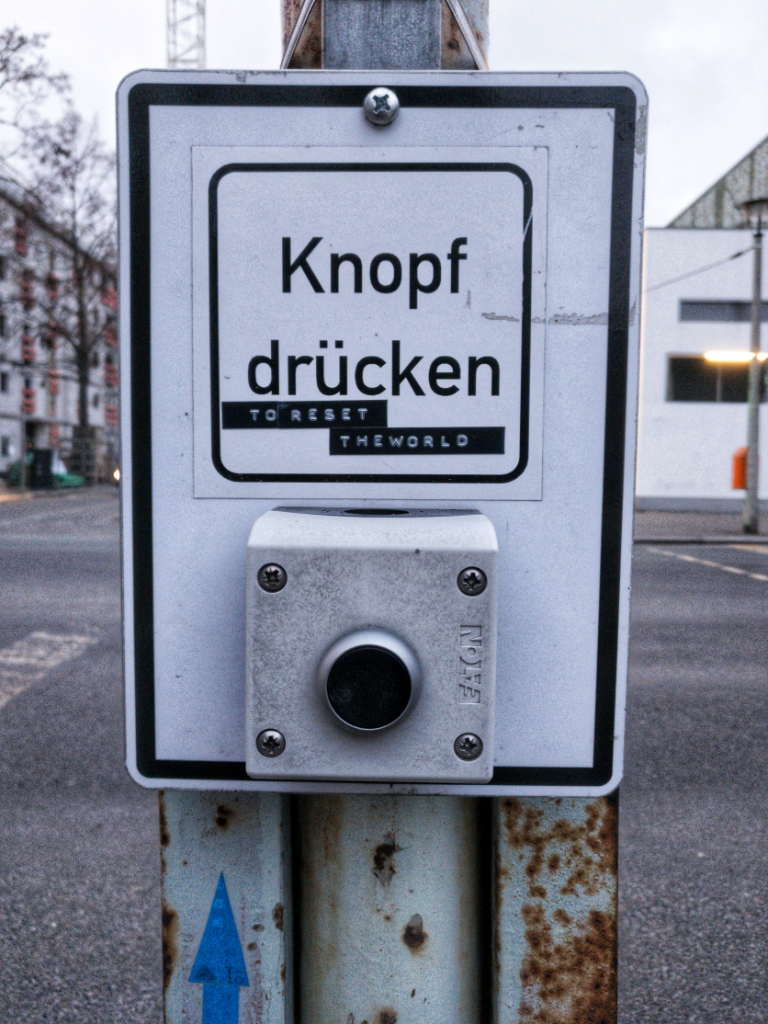
Will MacAskill offers a counterintuitive perspective in his recent writing on “Bootstrapping to Viatopia“. He suggests that we cannot simply demand a century-long halt on progress. That is politically impossible. Instead, we should look for small, achievable pauses. A one-month delay. A brief period of reflection. The philosophy here is rooted in the idea that wisdom requires space. If we can secure a short window to think, we might realize we need more time. That realization allows us to extend the pause. It is a bootstrap mechanism where a small foothold of calm creates the conditions for deeper deliberation. The goal is to escape the grip of hype and hysteria by refusing to let momentum dictate strategy.
The Strategic Power of Stillness
This brings us to the concept of poise. Dictionary definitions describe it as graceful and elegant bearing in a person, or a state of balance and composure. It implies stability in the face of disturbance. In a strategic context, poise is the ability to remain steady while the world spins around you. It is not passive waiting. It is active stillness. It is the disciplined choice to step back from the noise to examine the signal. This approach mirrors the MacAskill argument. By creating structured spaces for reflection, leaders can move from reactive implementation to intentional direction. They stop chasing every new tool and start building toward outcomes that actually matter.
Clarity Over Speed
The path to positive futures is not paved with speed. It is paved with clarity. Clarity takes time. We share MacAskill’s vision that these pauses will help us work toward better long-term outcomes. At stay amazed every day, we facilitate exactly this kind of reflective space. It is about giving leaders the permission to slow down so they can actually speed up later. The leaders who thrive in this era will not be the fastest. They will be the wisest. And wisdom requires the courage to press pause.