
The checkout that ghosts you
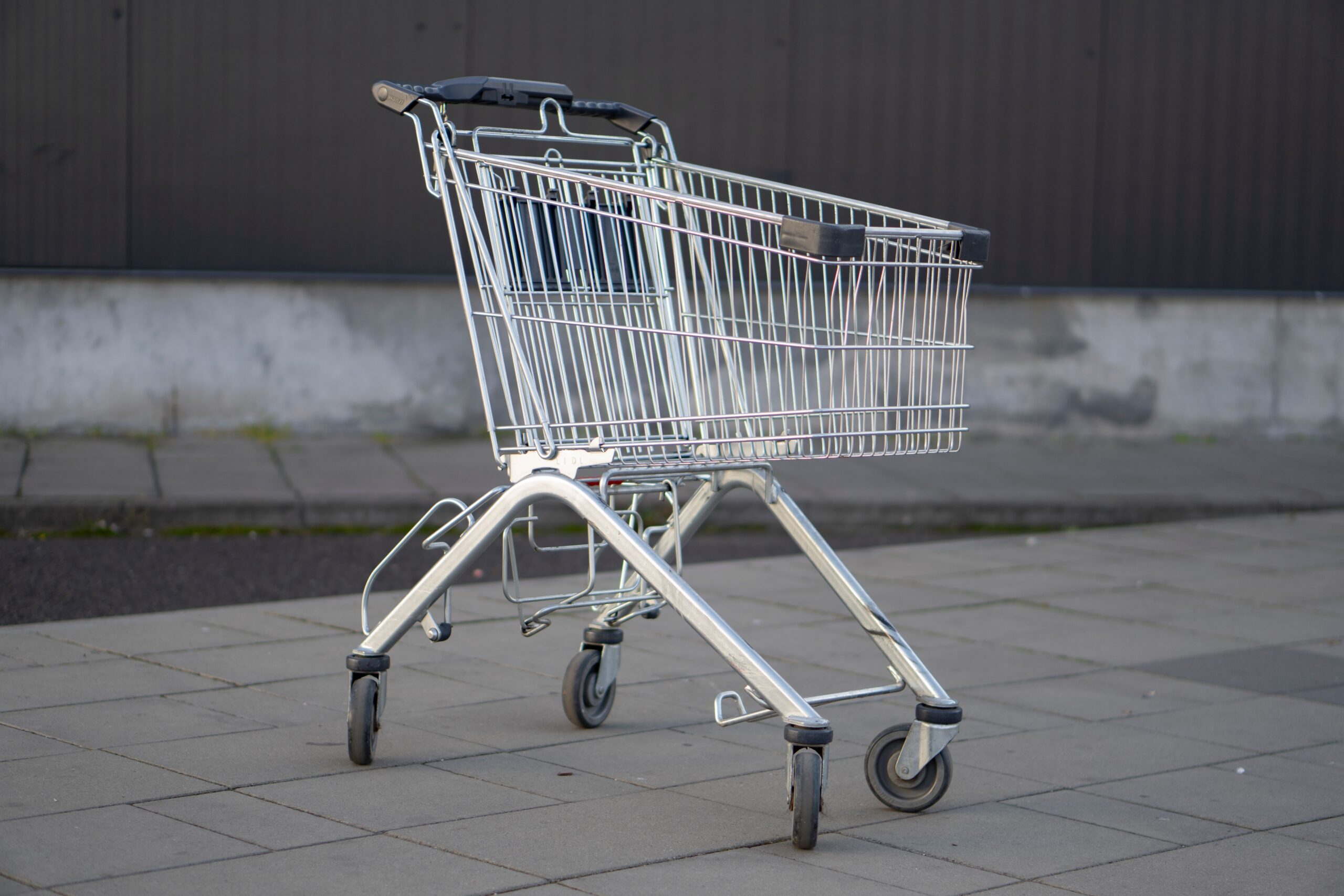
Gen Z has found a new way to shop itself calm: Dopamine sites. Online stores that sell nothing at all. The checkout feels familiar, right down to the small triumph of having secured something. Then the order evaporates. No parcel will ever arrive, because there is no parcel. The only currency these shops accept is your time.
The Korea Times reported on the trend in May, and a New York Times piece this September confirms it has spread across borders and into older generations. What began as an odd corner of the internet is becoming a recognisable coping strategy.
Browsing the phantom shelves
I took several sites for a spin. Imaginair sells survival gear for the climate crisis (“Winter outerwair, stay warm without warming the planet”). Fakehaul mimics a Chinese mega-store and will happily ship you any quantity of NestNook Airtight Tech Snack Saver Dispensers at no charge, complete with “0 minutes fast-forward delivery” and the reassuring status update “Driver sang the whole chorus before setting off. Resolved.”
Then there is FoodNeverComes, whose menu wanders the world’s cuisines. Its Dutch section proudly lists Hutspot and Bitterballen, alongside a Patatje Oorlog that looks, to my Dutch eyes, faintly wrong. The name is the business model. Order anything and, true to the brand, nothing shows up.
The digital placebo effect
You can file all this under internet absurdity if you like, but there is a method in it. Dr Anna Lembke, author of Dopamine Nation, gave a keynote at this year’s re:publica in Berlin on finding balance in the age of indulgence. She reads dopamine sites as a creative response from young people unhappy with parts of their digital lives: a “self-binding mechanism” that lets users rehearse a habit while removing its consequences. That is the charitable reading, and I suspect she is partly right. I’d call it a digital placebo: the ritual is real, the dose is fake.
I stumble over one step in that argument, though. If people are unhappy with their digital lives, is another dose of pixels and code really the medicine? The interface stays the same and so do the engineered little rewards that come with it. Only the product is missing. What I do recognise in these sites is the playfulness of the early web, when individuals built strange corners of the internet simply because they could. That spirit, at least, is thriving.
From pixels to potato peeling
And FoodNeverComes has one more move up its sleeve. Every item on the menu comes with a genuine recipe, because “the food never came… so here’s how to make it.” A fake web-shop that quietly hands you back to the real world, and to actual potatoes you have to peel yourself.
That is where I find hope in this trend. A generation raised inside the most sophisticated attention machines ever built is improvising its own guardrails, and doing it with wit. Nobody regulated the doomscrolling away, so they built parodies of it instead. Some of those parodies end in a cooking pot.
So here is a question worth taking to your own kitchen: if a fake web-shop can hand you a real recipe, what else in your feed is waiting to be converted into an offline instruction?
Sources: Gen Z turn to ‘dopamine sites’ for quick comfort (The Korea Times) and Dopamine Sites Sell Nothing, and People Cannot Get Enough (New York Times)

Written by Krispijn Plettenberg. AI tools were used for editing and refinement.