
The Slop Economy
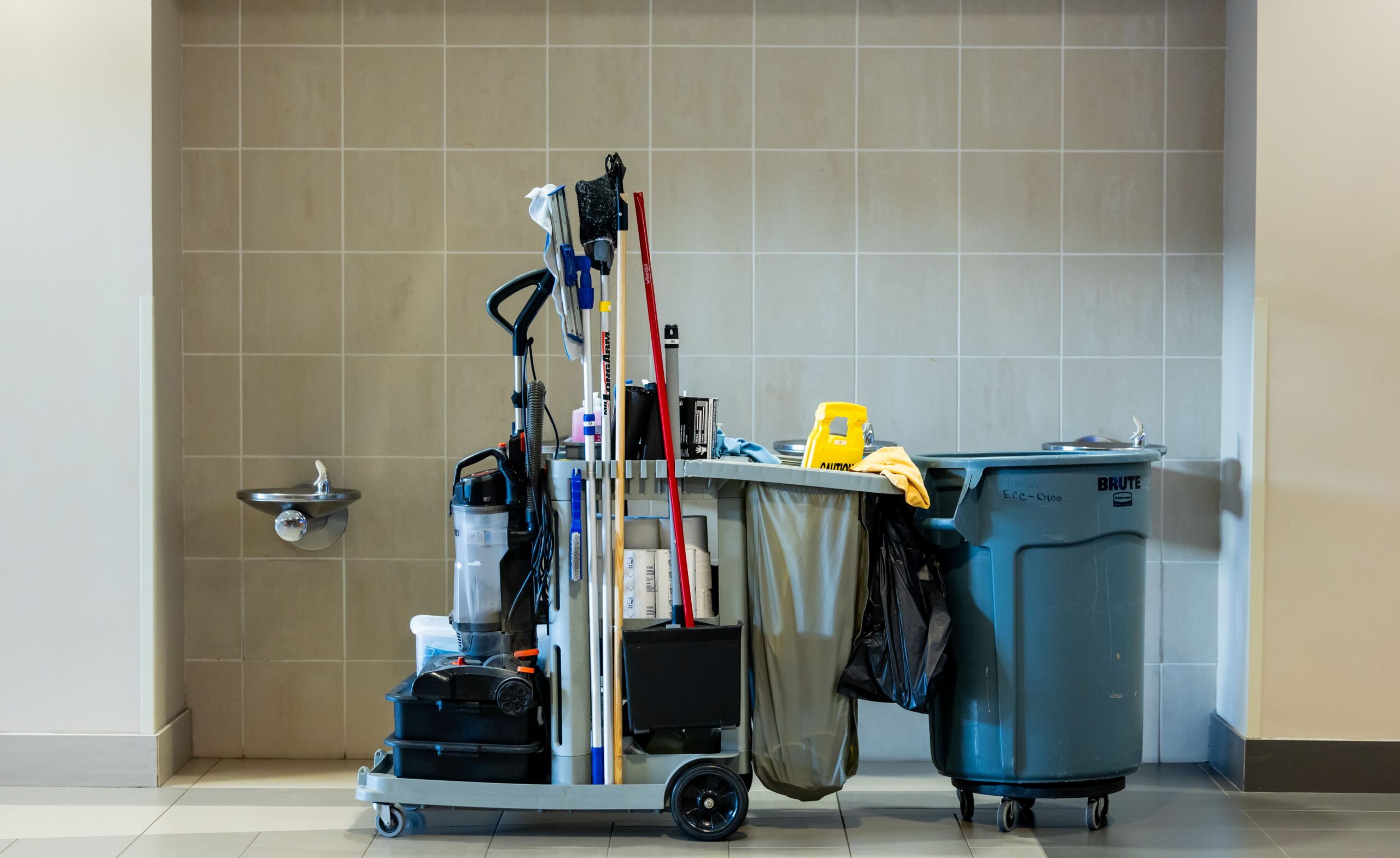
AI is now creating a whole new job category: cleanup work. Freelancers in writing, illustrating and translating are earning a living tidying up machine drafts, all thanks to the sloppy output the models keep producing. Polishing might be generous, mind you. Cleaning up is probably the better word.
At first we assumed the creative industries would simply be killed by machines. Turns out reality had a kinder surprise in store.
The Numbers Behind the Mop
The evidence isn’t anecdotal. Freelance platforms are reporting a steep and steady rise in listings that ask humans to fix or humanise AI output. Freelancer.com alone counted more than 10,000 such gigs in the past ten months, spanning graphic design, video editing, proofreading and writing. The Guardian mapped the whole trend, drawing on internal data from the big freelance platforms.
The economics underneath are straightforward. The cost of a draft has dropped to very little, close to nothing but not quite. The cost of making it usable stayed exactly where it was. So businesses generate an AI first pass, hit problems they can’t diagnose, and hire a human to finish the job. Even Freelancer.com’s CEO admits the savings on draft one can be eaten entirely by the “incredibly time-consuming” polish work that follows.
Here’s the sentence I’d want you to remember: average became almost free, but good didn’t. That gap between the two is where a strange new market lives, and it’s growing.
It Was Never Just About Quality
Calling in the freelancers has only partly to do with the quality of artificially generated content. There’s another factor in play, and I find it quietly reassuring: we actually value the human hand.

Some clients even disguise AI work as original, knowing full well that the label matters. In a strange way, the dishonesty is the strongest endorsement there is. If “made by a human” weren’t worth something, nobody would bother faking it. Apparently, even a computer that can pass the Turing test can’t replace the wish for something that came from one of us.
That’s the deeper signal here. Every technology wave that made average abundant made the authentic premium: mechanisation made crafts precious, mass production made handmade precious. AI slop is simply the newest, largest machine for manufacturing demand for exactly what humans do that machines still can’t.
The Turned Tables
I’m sure AI’s output will improve dramatically in the near future, and keep improving. Eventually the cleanup work dries up, and freelancers know it. So here’s the deal: a growing number of them is already turning down cleanup gigs, because the future points elsewhere. Many have switched to original, hand-made work, and found clients coming to them precisely because they don’t touch AI. The “human-made” label is functioning as a brand, and it’s appreciating.
The transition is still rough, let’s not pretend otherwise. Traditional creative work is thinning out, and the cleanup gigs carry an expiry date: every model update fixes a few of the flaws that make the work necessary in the first place. But you can see where this is heading. When anyone can generate infinity, the guarantee of good becomes the scarce thing. The freelancers who understand they’re not repairing images but certifying quality are building the profession that comes next.
The machines made creativity cheap. In doing so, they accidentally made the rest of us precious.
Source: Freelancers are getting buried with ‘soulless’ AI slop cleanup: ‘It’s a shame we need to do it’ (The Guardian)

Written by Krispijn Plettenberg. AI tools were used for editing and refinement.